
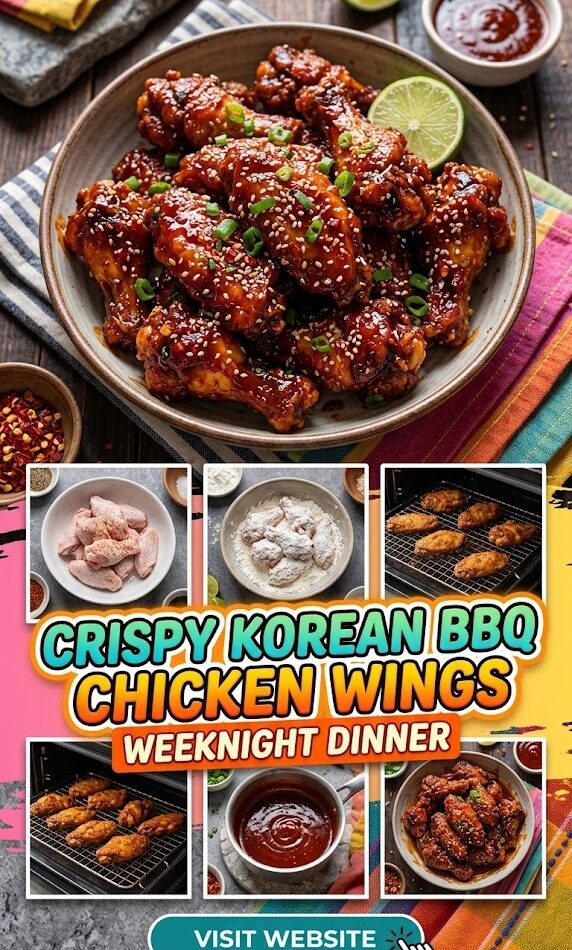
There is a specific sound associated with the perfect Korean BBQ chicken wing—a distinct, glass-like shatter as your teeth break through the ultra-thin, incredibly crispy crust. Followed immediately by the succulent, tender meat inside and a rush of sweet, spicy, and umami-rich glaze, it’s a sensory experience that most people think is reserved for high-end gastropubs or the bustling streets of Seoul.
But what if you could recreate that magic in your own kitchen on a Tuesday night?
Korean Fried Chicken, often affectionately known as “the other KFC,” has taken the culinary world by storm. Unlike American-style fried chicken, which relies on a thick, craggy buttermilk batter, Korean BBQ wings are defined by their thin, crackly skin and a sauce that balances complex fermented flavors with a hit of heat. This guide will walk you through every nuance of creating the ultimate Crispy Korean BBQ Chicken Wings, optimized for a busy weeknight schedule without sacrificing an ounce of authenticity or flavor.
The Science of the Crunch: Why Korean Wings are Different
To master the Korean wing, one must first understand the “Double Fry” technique and the role of starch. While traditional Southern fried chicken uses all-purpose flour, Korean wings utilize potato starch or cornstarch.
The Starch Secret
Potato starch is the gold standard for Korean wings. It has a higher amylose content than wheat flour, which means when it hits hot oil, it creates a rigid, crystalline structure that stays crispy even after being tossed in a heavy sauce. If you can’t find potato starch, cornstarch is a close second, providing that signature “shatter” effect.
The Double-Fry Method
In a restaurant setting, wings are fried twice. The first fry at a lower temperature (around 325°F) cooks the meat through and renders out the subcutaneous fat. The second fry at a higher temperature (375°F) evaporates any remaining moisture in the skin, creating that legendary crispiness.
For a weeknight dinner, we will explore how to achieve this same effect using an air fryer or a single-pan shallow fry method to save time and reduce cleanup.
The Soul of the Dish: The Korean BBQ Glaze
The sauce isn’t just a condiment; it’s the identity of the dish. A true Korean BBQ wing relies on Gochujang, a fermented red chili paste that is the backbone of Korean cuisine. It provides a savory-sweet-spicy profile that cannot be replicated by Sriracha or standard Buffalo sauce.
Key Ingredients for the Glaze:
- Gochujang: The fermented base. Look for the red tubs in the Asian aisle.
- Soy Sauce: For that essential salt and umami punch.
- Honey or Brown Sugar: To create a sticky glaze that clings to the wings.
- Ginger and Garlic: Freshly grated is non-negotiable for that aromatic brightness.
- Toasted Sesame Oil: Added at the very end to preserve its delicate, nutty aroma.
- Rice Vinegar: To cut through the sweetness and fat with a sharp acidic note.
Ingredients Checklist for the Perfect Weeknight Batch
For the Wings:
- 2 lbs Chicken Wings (party style: flats and drumettes separated)
- ½ cup Potato Starch or Cornstarch
- 1 tsp Salt
- ½ tsp Black Pepper
- ½ tsp Garlic Powder
- Cooking oil (High smoke point like vegetable, canola, or peanut oil)
For the Signature BBQ Sauce:
- 3 tbsp Gochujang (Korean Red Chili Paste)
- 2 tbsp Soy Sauce
- 3 tbsp Honey or Maple Syrup
- 1 tbsp Brown Sugar
- 1 tbsp Rice Vinegar
- 1 tbsp Fresh Ginger, minced
- 3 cloves Garlic, minced
- 1 tsp Toasted Sesame Oil
For Garnish:
- Toasted Sesame Seeds
- Thinly sliced Scallions (green parts only)
- Optional: Fresh red chili slices for extra heat
Step-by-Step Guide: The Weeknight Workflow
To make this a true weeknight-friendly meal, efficiency is key. Follow this workflow to go from fridge to table in under 45 minutes.
Step 1: Prep the Chicken
Pat the chicken wings completely dry with paper towels. Moisture is the enemy of crispiness. If you have time, let them sit uncovered in the fridge for 30 minutes to air-dry the skin. In a large bowl, toss the wings with salt, pepper, garlic powder, and the starch until every nook and cranny is lightly coated. Shake off any excess; you want a thin veil, not a thick paste.
Step 2: The Cooking Phase (Pick Your Method)
Option A: The Air Fryer (The Healthiest & Easiest)
- Preheat your air fryer to 400°F (200°C).
- Lightly spray the basket with oil.
- Arrange wings in a single layer (do not overcrowd).
- Air fry for 15 minutes, then flip the wings.
- Fry for another 10-15 minutes until they look golden brown and feel hard to the touch.
Option B: The Stovetop Shallow Fry (The Most Authentic)
- Fill a large heavy-bottomed skillet or wok with about 1 inch of oil.
- Heat to 350°F.
- Fry wings in batches for 8-10 minutes.
- Remove, let rest for 2 minutes, then turn the heat up to 375°F.
- Flash-fry them for another 2-3 minutes until they are deeply golden and hyper-crispy.
Step 3: Simmer the Sauce
While the chicken is cooking, combine all sauce ingredients (except the sesame oil) in a small saucepan over medium heat. Bring to a gentle simmer. Let it bubble for 3-5 minutes until the sugar has dissolved and the sauce has thickened slightly to a syrupy consistency. Remove from heat and stir in the sesame oil.
Step 4: The Grand Toss
Place the hot, crispy wings in a large stainless steel bowl. Pour the warm sauce over the wings. Use a pair of tongs or a large spoon to toss vigorously. The goal is to coat every wing thoroughly while the skin is still hot, which helps the sauce “set” and remain sticky rather than soggy.
Step 5: Garnish and Serve
Transfer to a platter and immediately shower with sesame seeds and scallions. The heat from the wings will slightly toast the seeds and soften the scallions, releasing their fragrance.
Mastering the Sides: What to Serve with Korean Wings
In Korea, fried chicken is rarely eaten alone. It is usually part of a “Chimaek” (Chicken + Maekju/Beer) culture. To turn this into a full weeknight dinner, consider these pairings:
- Pickled Daikon Radish (Mu-saengchae): The acidity and crunch of pickled radish are the traditional palate cleansers for the rich, spicy wings. You can find these pre-made or quick-pickle some at home with vinegar, sugar, and salt.
- Steamed Jasmine Rice: The simplest way to soak up any extra BBQ sauce.
- Sesame Ginger Slaw: A bag of pre-shredded cabbage tossed with rice vinegar, sesame oil, and a touch of honey makes for a refreshing, crunchy side.
- Kimchi Fried Rice: For those who want a double dose of Korean flavor, use day-old rice and some chopped kimchi for a hearty side dish.
Expert Tips for Success
1. Don’t Crowd the Pan
Whether you are frying or air-frying, overcrowding leads to steaming. If the wings touch each other too closely, the moisture trapped between them will make the coating soggy. Cook in batches if necessary; it’s worth the extra ten minutes.
2. The “Tap Test”
Before saucing, take a fork and tap the skin of a wing. It should sound like you’re tapping on a hollow piece of wood. If it feels soft, it needs more time. Once the sauce hits the wing, the “timer” for crispiness starts, so ensure they are as dry and hard as possible before the toss.
3. Adjusting the Heat
Gochujang brands vary in spice levels. If you are sensitive to heat, look for a “Mild” tub and increase the honey content. If you want a “fire wing” experience, add a teaspoon of Gochugaru (Korean red chili flakes) to the sauce while it simmers.
Troubleshooting Common Issues
Why are my wings soggy?
This usually happens for two reasons: either the oil wasn’t hot enough (causing the starch to soak up oil rather than fry) or the wings weren’t dried properly before coating. Ensure your oil is at least 350°F before starting.
The sauce is too salty!
Soy sauce brands vary in sodium. Always taste your sauce before tossing. If it’s too salty, add a splash of water or an extra tablespoon of honey to balance it out.
Can I use chicken thighs?
Absolutely! If you prefer boneless, use skin-on chicken thighs cut into bite-sized pieces. Follow the same starch-coating and frying process. The cooking time will be shorter (about 5-7 minutes per fry).
Nutritional Outlook and Dietary Adjustments
While fried chicken is an indulgence, making it at home allows for better control over ingredients.
- Gluten-Free Version: Ensure your Gochujang and Soy Sauce are certified gluten-free (Tamari is a great substitute for soy sauce). Use cornstarch or potato starch as directed, as they are naturally gluten-free.
- Lower Calorie: Using the air fryer method significantly reduces the oil content. You can also swap the honey for a keto-friendly sweetener if you are watching your sugar intake, though the glaze won’t be quite as “sticky.”
- The Protein: Chicken wings are a great source of protein and essential minerals like selenium and phosphorus. Pairing them with a large portion of fermented vegetables (like Kimchi) adds probiotics to your meal, aiding in digestion.
Why This Recipe Works for Busy Families
The beauty of the Crispy Korean BBQ Chicken Wing is its versatility. You can prep the sauce during a weekend meal prep session—it stays fresh in the fridge for up to two weeks. On the night of dinner, all that’s left is the 20-minute air-frying process and a quick toss.
It’s a “hands-off” cooking style that yields “hands-on” eating fun. Kids generally love the sweet and savory “UMAMI” profile (just dial back the chili for them), and adults appreciate the sophisticated depth of the fermented ingredients.
The Cultural Significance of the Wing
Korean Fried Chicken isn’t just food; it’s a global phenomenon. It emerged in Korea during the mid-20th century, influenced by American soldiers stationed there, but it was the Korean chefs who perfected the thin-crust, double-fry technique. Today, it stands as a symbol of Korean culinary innovation—taking a familiar global staple and elevating it through traditional fermentation techniques.
By bringing this recipe into your weeknight rotation, you aren’t just making dinner; you’re participating in a rich, cross-cultural culinary history that celebrates texture, flavor, and the simple joy of a perfectly cooked piece of poultry.
Final Thoughts: The Perfect Bite
As you sit down to your dinner, take a moment to appreciate the glossy sheen of the sauce and the aroma of toasted sesame. These Crispy Korean BBQ Chicken Wings prove that “fast food” can be high-quality, and “weeknight dinner” can be an event.
Grab a napkin (you’ll need it), maybe a cold beverage, and dive into the crunch. Your kitchen is now the best Korean BBQ spot in town.
Summary of Quick Tips for the Best Results:
- Dry the wings like your life depends on it.
- Use Potato Starch for a glass-like crunch.
- Simmer the sauce until it’s thick enough to coat a spoon.
- Toss while hot to lock in the flavor.
- Garnish generously because we eat with our eyes first!