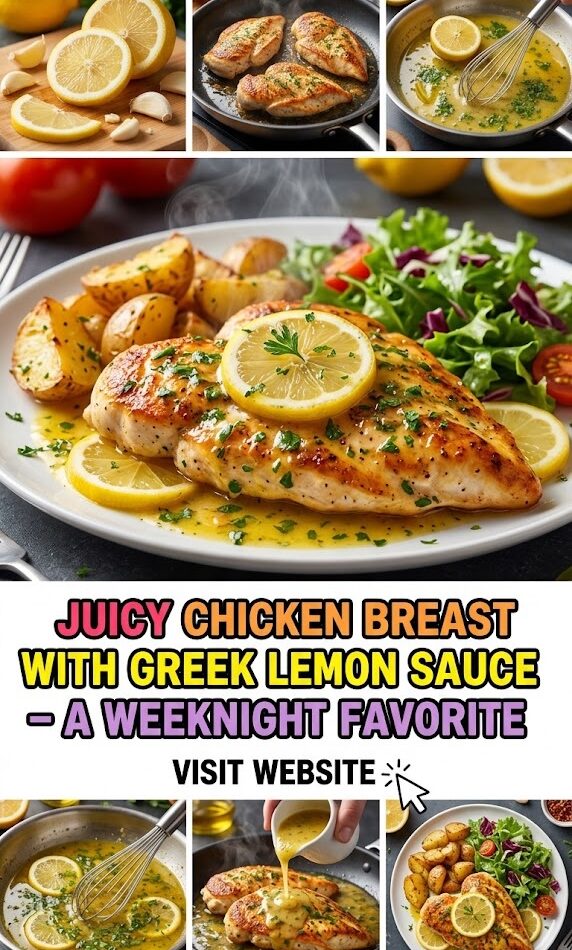
Chicken breast is the workhorse of the modern kitchen. It is lean, packed with protein, and incredibly versatile. However, it is also notoriously difficult to get right. Too often, it ends up dry, rubbery, and flavorless—a chore to eat rather than a pleasure. But what if you could transform this humble protein into a restaurant-quality meal that is bursting with bright citrus, aromatic herbs, and, most importantly, incredible juiciness?
Enter the Juicy Chicken Breast with Greek Lemon Sauce. This dish is the epitome of the Mediterranean diet: fresh, vibrant, and deceptively simple. In this comprehensive guide, we will explore the science of cooking poultry, the history of Greek flavor profiles, and the step-by-step techniques required to ensure your chicken is perfect every single time.
Why This Recipe is the Perfect Weeknight Solution
In the hustle and bustle of daily life, we look for meals that hit the “trifecta”: fast, healthy, and delicious. This Greek lemon chicken meets all three criteria.
- Speed: You can have this on the table in under 30 minutes.
- Health: It relies on healthy fats like extra virgin olive oil and fresh aromatics rather than heavy creams or sugars.
- Flavor: The combination of lemon, garlic, and oregano provides a high-impact flavor profile that appeals to children and adults alike.
The Science of the “Juicy” Chicken Breast
Before we dive into the ingredients, we must understand why chicken breast dries out. The breast is a lean muscle with very little intramuscular fat. When heat is applied, the protein fibers contract and squeeze out moisture. If cooked even a few degrees past the target temperature, the meat becomes “woody.”
To combat this, we use three specific techniques in this recipe:
- Uniformity: Pounding the chicken to an even thickness ensures the thin end doesn’t overcook while the thick end is still raw.
- The Sear: A high-heat sear creates a “crust” (the Maillard reaction) that adds flavor and helps retain internal juices.
- The Emulsified Sauce: Finishing the chicken in a lemon-butter-oil emulsion adds a layer of fat and moisture back into the meat.
Ingredients: Sourcing for Success
A dish with few ingredients relies heavily on the quality of those components. Here is what you need and why:
1. The Poultry
Always look for air-chilled chicken breasts if possible. Conventional chicken is often chilled in water baths, which adds “water weight” that leaches out in the pan, preventing a good sear and making the meat soggy.
2. Extra Virgin Olive Oil
The foundation of Greek cooking. Use a high-quality oil with a peppery finish. This provides the fat needed to carry the fat-soluble flavors of the herbs.
3. Fresh Lemons
Never use bottled lemon juice. The volatile oils in fresh lemon zest and the bright acidity of freshly squeezed juice are irreplaceable. You will need both the juice and the zest for this recipe.
4. Garlic
Fresh cloves are a must. Jarred minced garlic often has a metallic aftertaste that can ruin the delicate balance of the lemon sauce.
5. Dried Greek Oregano
Interestingly, in Mediterranean cooking, dried oregano is often preferred over fresh for cooked dishes. Greek oregano (Rigani) is more pungent and earthy, standing up well to the high heat of the skillet.
6. Chicken Broth or Dry White Wine
This is used to deglaze the pan, picking up all the “fond” (the brown bits stuck to the bottom) which contains concentrated flavor.
The Master Recipe: Step-by-Step Instructions
Prep Time: 10 minutes | Cook Time: 15 minutes | Servings: 4
Ingredients List:
- 2 lbs large boneless, skinless chicken breasts (about 3-4 pieces)
- 1/2 cup all-purpose flour (for dredging – optional for Keto/GF)
- 1 teaspoon Kosher salt
- 1/2 teaspoon cracked black pepper
- 2 tablespoons Extra Virgin Olive Oil
- 2 tablespoons unsalted butter
- 4 cloves garlic, minced
- 1/2 cup low-sodium chicken broth (or a dry Pinot Grigio)
- 1 large lemon, zested and juiced
- 1 tablespoon dried Greek oregano
- 1 teaspoon honey or maple syrup (to balance acidity)
- Fresh parsley for garnish
- Optional: Capers or Kalamata olives for extra saltiness
Step 1: Prepare the Chicken
Place the chicken breasts between two sheets of plastic wrap or in a gallon-sized freezer bag. Using a meat mallet or a heavy rolling pin, gently pound the thicker parts of the breast until the entire piece is an even 3/4-inch thickness. This is the single most important step for ensuring even cooking.
Step 2: Season and Dredge
In a shallow bowl, mix the flour, salt, and pepper. Lightly coat each chicken breast in the flour, shaking off any excess. This thin coating of flour will help the chicken develop a golden-brown crust and will also help thicken the sauce later.
Step 3: The Sear
Heat a large stainless steel or cast-iron skillet over medium-high heat. Add the olive oil. Once the oil is shimmering (but not smoking), add the chicken breasts. Cook for 5–6 minutes on the first side without moving them. You want a deep golden-brown crust. Flip the chicken and cook for another 4–5 minutes.
Internal Temperature Check: Use an instant-read thermometer. Remove the chicken when it reaches 160°F (71°C). It will rise to the safe 165°F during the resting phase.
Step 4: Create the Pan Sauce
Reduce the heat to medium. In the same pan, add the minced garlic and cook for 30 seconds until fragrant. Pour in the chicken broth (or wine) to deglaze. Use a wooden spoon to scrape the bottom of the pan.
Add the lemon juice, lemon zest, oregano, and honey. Let the liquid simmer and reduce by half. This concentrates the flavors.
Step 5: Emulsify
Turn the heat to low. Add the butter and whisk it into the sauce as it melts. This creates a “beurre blanc” style emulsion that is silky and rich. Add the chicken (and any accumulated juices) back into the pan. Spoon the sauce over the chicken for 1 minute to glaze.
Step 6: Garnish and Serve
Sprinkle with fresh parsley and a final crack of black pepper. Serve immediately while the sauce is glossy.
Pro-Tips for the Best Greek Lemon Chicken
The Importance of Resting
Never cut into your chicken immediately after removing it from the heat. Let it rest for at least 5 minutes. This allows the muscle fibers to relax and reabsorb the juices. If you cut it too soon, the juice will run out onto the plate, leaving you with dry meat.
Don’t Crowd the Pan
If your skillet isn’t large enough to hold all the chicken with space around each piece, cook in batches. Crowding the pan causes the temperature to drop, and the chicken will steam in its own moisture rather than searing.
Balancing the Acidity
Lemons vary in acidity. If your sauce feels too sharp or “sour,” add another teaspoon of butter or a tiny pinch of sugar. The fat and sweetness neutralize the harshness of the acid.
Variations to Suit Your Lifestyle
1. The Low-Carb / Keto Version
To make this Keto-friendly, simply skip the flour dredging. Season the chicken directly with salt, pepper, and oregano. You can also add a splash of heavy cream to the sauce at the end for a richer, low-carb “Creamy Greek Lemon Chicken.”
2. The Sheet Pan Method
If you’re cooking for a large crowd, toss chicken thighs, lemon slices, halved potatoes, and the sauce ingredients in a large bowl. Spread them on a sheet pan and roast at 400°F for 30 minutes. While you lose the pan-sauce emulsion, you gain caramelized lemon flavor.
3. The Air Fryer Shortcut
Season the chicken and air fry at 375°F for 12–15 minutes. While the chicken cooks, whisk the sauce ingredients together in a small saucepan on the stove to thicken.
The History of the Greek Flavor Profile
To truly appreciate this dish, we look toward the culinary traditions of Greece. The combination of lemon (lemonia) and oregano (rigani) is the backbone of Hellenic cuisine. Historically, Greece’s rugged terrain was perfect for hardy herbs like oregano, which grows wild across the hillsides.
The use of lemon became prominent as citrus groves flourished in the Mediterranean climate. In Greek cooking, lemon isn’t just a garnish; it is a primary seasoning used to “cook” proteins (as in ceviche styles) or to cut through the richness of roasted meats. This specific sauce is a variation of the Ladolemono dressing—a simple whisking of oil and lemon used on everything from grilled fish to roasted lamb.
Nutritional Breakdown: Why It’s Good for You
This dish fits perfectly into a heart-healthy lifestyle.
- Lean Protein: Chicken breast is high in leucine, an amino acid essential for muscle repair.
- Monounsaturated Fats: Olive oil is the primary source of fat, known for reducing inflammation and supporting heart health.
- Vitamin C: Fresh lemon juice provides a boost to the immune system.
- Antioxidants: Oregano contains carvacrol and thymol, compounds that have antimicrobial properties.
Estimated Nutrition per Serving:
- Calories: 320
- Protein: 42g
- Total Fat: 14g
- Carbohydrates: 6g
- Sodium: 450mg
What to Serve with Greek Lemon Chicken
To make this a complete meal, consider these traditional and modern pairings:
Traditional Greek Sides
- Lemon Roasted Potatoes (Ellinikos Pateras): Potatoes roasted with chicken stock, lemon, and garlic until the bottoms are crispy and the tops are soft.
- Horiatiki (Greek Salad): A rustic mix of tomatoes, cucumbers, red onion, feta cheese, and olives. No lettuce allowed!
- Spanakorizo: A savory spinach and rice pilaf that soaks up the lemon sauce beautifully.
Quick Modern Pairings
- Quinoa or Farro: For a nutty, high-fiber base.
- Roasted Asparagus: The earthiness of asparagus pairs wonderfully with the citrus sauce.
- Crusty Sourdough: Essential for mopping up every last drop of the golden sauce.
Wine Pairing Guide
When choosing a wine for this dish, you want something that matches the high acidity of the lemon without being overpowered by the garlic.
- Assyrtiko: The classic choice. This Greek white wine from Santorini is bone-dry with high acidity and a saline minerality that mirrors the Mediterranean flavors perfectly.
- Sauvignon Blanc: Particularly those from New Zealand, which have citrusy notes that complement the lemon.
- Unoaked Chardonnay: You want the crispness of the fruit, not the butteriness of oak, to keep the meal feeling light.
Frequently Asked Questions (FAQs)
Can I use chicken thighs instead?
Absolutely. Chicken thighs are more forgiving because they have a higher fat content. Cook them to an internal temperature of 175°F for the best texture. They may require an extra 2–3 minutes of cooking time per side.
How do I store leftovers?
Store in an airtight container in the refrigerator for up to 4 days. When reheating, do so gently on the stovetop with an extra splash of water or broth to loosen the sauce. Avoid the microwave if possible, as it tends to make chicken rubbery.
Is this recipe gluten-free?
If you use the flour dredge, it is not. However, you can substitute the all-purpose flour with almond flour, a gluten-free 1-to-1 blend, or omit it entirely. The sauce will still be delicious, just slightly thinner.
My sauce broke (separated). How do I fix it?
If the oil and lemon juice separate, it usually means the heat was too high when you added the butter. To fix it, add a teaspoon of warm water and whisk vigorously. The water helps re-bind the emulsion.
The Art of the Pan Sauce: A Culinary Skill to Master
Learning to make a pan sauce (like the Greek Lemon Sauce in this recipe) is a “level-up” moment for any home cook. It is the difference between a “home-cooked meal” and “fine dining.”
The process—Searing, Deglazing, Reducing, and Mounting with Butter—is a French technique known as Monter au Beurre. By applying this to Greek flavors, you are merging classical technique with vibrant, fresh ingredients. Once you master this lemon sauce, you can use the same logic to create:
- A balsamic and rosemary sauce for pork.
- A white wine and caper sauce (Piccata) for veal.
- A mushroom and marsala sauce for chicken.
Meal Prep Tips: Chicken for the Week
This recipe is a meal-prepper’s dream. Because the sauce keeps the chicken moist, it holds up better in the fridge than plain grilled chicken.
- The “Cold” Application: Slice the leftover Greek lemon chicken and serve it over a cold pasta salad or inside a pita wrap with tzatziki for a quick lunch.
- Freezing: You can freeze the cooked chicken in the sauce for up to 2 months. Thaw overnight in the fridge before reheating.
Final Thoughts: Simplicity is Sophistication
In the world of cooking, it is easy to get caught up in complex gadgets and exotic ingredients. But the Juicy Chicken Breast with Greek Lemon Sauce reminds us that the most satisfying meals often come from the simplest combinations.
By focusing on technique—pounding the meat, searing it properly, and creating a balanced emulsion—you transform four or five basic ingredients into a dish that is bright, comforting, and deeply flavorful. Whether you are cooking for a busy family on a Tuesday night or hosting a dinner party on a Saturday, this recipe is a reliable, crowd-pleasing addition to your culinary repertoire.
Give it a try tonight, and experience how a few lemons and a sprig of oregano can transport your kitchen to the shores of the Aegean Sea.
Summary Table
| Feature | Details |
|---|---|
| Main Protein | Boneless, Skinless Chicken Breast |
| Primary Flavors | Lemon, Garlic, Oregano, Butter |
| Cooking Technique | Pan-searing and Emulsified Pan Sauce |
| Dietary Profile | High Protein, Low Carb (Optional), Mediterranean |
| Difficulty Level | Easy / Intermediate |
| Key Equipment | Heavy Skillet, Meat Mallet, Instant-read Thermometer |
Creative Flourishes to Try Next Time
Once you’ve mastered the base recipe, try these “chef’s tweaks” to keep the dish exciting:
- The Salty Kick: Add 2 tablespoons of non-pareil capers and 1/4 cup of sliced Kalamata olives when you add the chicken broth. This adds a briny depth that is quintessentially Greek.
- The Herb Swap: While oregano is traditional, substituting fresh thyme or even a bit of chopped rosemary can change the character of the dish to something more “Provencal.”
- The Vegetable Bridge: Toss in a handful of baby spinach or halved cherry tomatoes during the final simmer of the sauce. They will wilt and blister, adding color and extra nutrients to the plate.
- The Feta Finish: Crumble high-quality sheep’s milk feta over the chicken just before serving. The heat of the chicken will soften the cheese, creating a creamy, tangy contrast to the sharp lemon sauce.
Troubleshooting Common Issues
- Chicken is white/pale: Your pan wasn’t hot enough, or you moved the chicken too soon. Let it sit undisturbed to develop color.
- Garlic is bitter: You likely burnt the garlic. Garlic only needs 30–60 seconds of heat. If it turns dark brown or black, wipe the pan out and start the sauce over.
- Sauce is too thin: Let it simmer for another 2 minutes before adding the butter. The reduction is what gives the sauce body.
- Chicken is tough: This usually means it was overcooked. Even with a sauce, an internal temperature of 180°F+ will result in a tough texture. Always use a thermometer!
Enjoy your journey into Mediterranean cooking with this Juicy Chicken Breast with Greek Lemon Sauce—a true weeknight favorite that never goes out of style.