
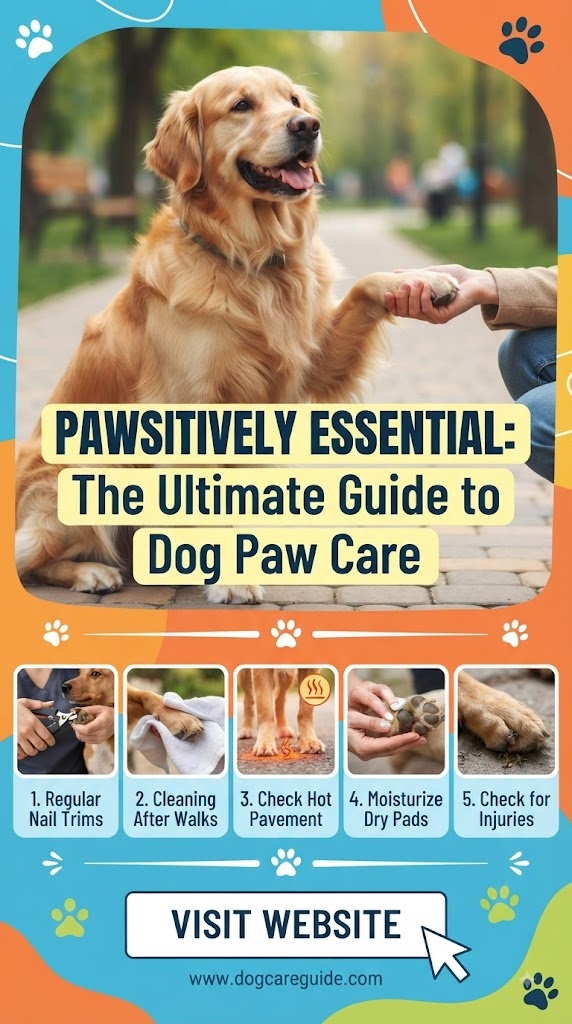
Pawsitively Essential: The Ultimate Guide to Dog Paw Care
Your dog’s paws are more than just cute, fuzzy feet. They are complex structures that serve as shock absorbers, cooling systems, and sensory tools. From the rough terrain of a hiking trail to the scorching heat of summer asphalt, a dog’s paws endure incredible stress every single day.
Despite their resilience, paws are surprisingly sensitive and susceptible to a wide range of issues, from chemical burns and fungal infections to “Frito feet” and hyperkeratosis. If you want your canine companion to stay mobile, happy, and healthy into their senior years, mastering paw care is non-negotiable.
This comprehensive guide covers everything from the anatomy of a paw to seasonal protection strategies and DIY remedies that will keep your pup’s “chassis” in peak condition.
1. The Anatomy of a Dog’s Paw: Understanding the Foundation
Before diving into care routines, it is essential to understand what makes up a dog’s foot. A dog’s paw is a masterpiece of biological engineering.
The Five Basic Parts
- Digital Pads: These are the four small pads located on each toe. They support the dog’s weight and help with balance.
- Metacarpal (Front) / Metatarsal (Rear) Pad: The large, heart-shaped pad in the center. This is the primary shock absorber.
- Carpal Pad: The small pad located higher up on the front legs. It provides traction when a dog is skidding or stopping at high speeds.
- Claws (Nails): Unlike cat claws, dog nails do not retract. They are used for digging and providing grip during movement.
- Dewclaws: Often called the “thumb,” these are located higher up on the leg. While some consider them vestigial, many dogs use them to grip toys or climb.
The Science of the Pad
The pads are composed of a thick layer of fatty tissue and pigmented skin. This fat acts as an insulator, protecting the dog from cold surfaces, while the skin is toughened to withstand friction. Interestingly, the pads are the only place where dogs have sweat glands. If you see damp paw prints on a hot day, your dog is literally sweating through their feet!
2. The Mystery of “Frito Feet”: Why Do Dog Paws Smell Like Corn Chips?
If you’ve ever sniffed your dog’s paws and wondered why they smell like a bag of corn chips, you’re not alone. This is a common phenomenon known in the pet community as “Frito Feet.”
The Cause: Microorganisms
The smell is caused by two specific types of bacteria: Proteus or Pseudomonas. These bacteria thrive in the moist, warm environment between a dog’s toes and in the folds of their pads. While it sounds alarming, a mild corn chip smell is usually perfectly normal and indicates a healthy microbiome.
When to Worry
If the smell becomes overwhelming, or if it is accompanied by:
- Intense redness between the toes.
- Excessive licking or chewing.
- Inflammation or discharge.
This could indicate a yeast infection (Malassezia). Yeast thrives on sugar and moisture, so if your dog has allergies or a high-carb diet, their “Frito feet” might escalate into a painful infection that requires veterinary intervention.
3. Summer Paw Care: Beating the Heat
Summer presents a major hazard for dog paws: The Heat. Asphalt and concrete can reach blistering temperatures that are significantly higher than the ambient air temperature.
The 7-Second Rule
Before taking your dog for a walk, place the back of your hand on the pavement. If you cannot comfortably hold it there for seven seconds, it is too hot for your dog’s paws.
Preventing Burns
- Walk during the “Golden Hours”: Schedule walks for early morning or late evening when the ground has cooled.
- Stick to the Grass: Grass remains significantly cooler than pavement.
- Dog Boots: For dogs that must walk on hard surfaces, heat-resistant boots are a lifesaver.
- Paw Wax: Products like Musher’s Secret provide a thin, breathable barrier that offers some protection against hot surfaces.
Treating a Burned Paw
If your dog’s pads look dark, red, or have visible blisters, they have a thermal burn. Flush the area with cool (not ice-cold) water and wrap it loosely until you can get to a vet. Never apply butter or heavy oils to a fresh burn, as this traps the heat.
4. Winter Paw Care: Ice, Salt, and Snow
Winter brings its own set of challenges. Between the freezing temperatures and the chemicals used to melt ice, your dog’s paws are under constant assault.
The Danger of De-Icers
Most rock salts and chemical de-icers are toxic to dogs. Not only can they cause chemical burns on the pads, but dogs often lick their paws after a walk, ingesting these harmful substances.
Preventing “Snowballs”
Long-haired breeds often get “snowballs” or ice clumps stuck in the fur between their pads. These are painful and can cause the skin to tear.
- Trim the Fur: Keep the hair between the pads trimmed flush with the pads to prevent ice buildup.
- Use Paw Balm: A thick coating of balm prevents snow from sticking.
The Post-Walk Rinse
Always wipe your dog’s paws with a warm, damp cloth after a winter walk. This removes salt, chemicals, and ice shards. For a deeper clean, use a “paw plunger”—a device designed to scrub the paws quickly.
5. Maintenance: The Art of the Paw-dicure
Regular maintenance is the best way to prevent long-term paw issues.
Nail Trimming: Why It Matters
Long nails are more than just a nuisance; they are a health hazard. When a dog’s nails are too long, they hit the ground first, pushing the nail back into the nail bed. This causes the toes to splay and places immense pressure on the joints, leading to arthritis and postural issues.
- The “Click” Test: If you can hear your dog’s nails clicking on the floor, they are too long.
- The Quick: Inside the nail is “the quick,” a vein that provides blood to the nail. In white nails, it’s easy to see (the pink part). In black nails, it’s invisible.
- Trimming Tip: Use a grinder (Dremel) instead of clippers if you are nervous. It allows you to slowly sand the nail down without the risk of a sudden “quick” cut.
Hair Trimming
Excessive hair between the pads can trap dirt, burrs, and allergens. Use safety shears or a small electric trimmer to keep this area neat. This also provides better traction on hardwood floors, preventing slips and falls.
6. Common Paw Problems and How to Spot Them
A vigilant owner can catch problems before they become emergencies.
Hyperkeratosis (Crusty Paws)
Often called “hairy paw syndrome,” hyperkeratosis occurs when the body produces too much keratin. This results in hard, crusty, hair-like growths on the pads. While not curable, it is manageable with regular soaking and the application of specialized keratolytic balms.
Interdigital Cysts
These are painful bumps that appear between the toes. They are often caused by deep bacterial infections, ingrown hairs, or allergies. If you see a red, swollen lump, do not pop it; seek veterinary care.
Allergies and Licking
If your dog is constantly licking their paws, it is rarely just a grooming habit. It is almost always a sign of environmental allergies (pollen, grass) or food sensitivities. Constant licking keeps the paws moist, leading to the secondary yeast infections mentioned earlier.
7. DIY Paw Care: Home Remedies and Recipes
You don’t always need expensive store-bought products to care for your dog’s paws. Some of the best treatments are in your pantry.
The Ultimate DIY Paw Balm
This balm is safe, edible (if they lick it), and incredibly moisturizing.
- Ingredients: 2 oz Beeswax, 2 oz Coconut Oil, 1 oz Shea Butter, 1 tsp Vitamin E oil.
- Directions: Melt the beeswax, coconut oil, and shea butter in a double boiler. Stir in the Vitamin E oil. Pour into small tins and let cool. Apply to dry or cracked pads twice a week.
Epsom Salt Soak
If your dog has a minor irritation or a small “ouchie” on their paw, an Epsom salt soak can work wonders.
- The Mix: Dissolve 1/2 cup of Epsom salt in a gallon of warm water.
- The Soak: Let your dog stand in the solution for 5–10 minutes. This draws out toxins, reduces swelling, and helps heal minor abrasions.
8. Breed-Specific Paw Care
Not all paws are created equal. Different breeds have different needs.
- The Webbed Wonders (Newfoundlands, Labradors): These breeds have significant webbing between their toes for swimming. This webbing can easily trap mud and debris, making them prone to infections if not dried thoroughly.
- The Furry Foot (Huskies, Malamutes): These dogs have thick fur between their pads for insulation. In a home environment, this fur can make them slide on tile floors. Regular trimming is key.
- The Sighthounds (Greyhounds, Whippets): These dogs have “hare feet,” where the two middle toes are much longer. They are more prone to “corns” (hard, painful growths on the pads) due to the unique way they distribute weight.
9. When to See a Veterinarian
While most paw care can be handled at home, some signs indicate a serious medical issue:
- Limping or favoring a leg: This could indicate a torn ligament, a broken bone in the foot, or a deep puncture wound.
- Bleeding that won’t stop: Paws have a high blood supply and bleed profusely.
- Visible foreign objects: If a thorn or piece of glass is deeply embedded, do not try to remove it yourself, as you may cause more damage.
- Sudden swelling: This could be a sign of a bee sting, an allergic reaction, or a snake bite.
10. The Psychological Aspect: Handling Paws
Many dogs hate having their paws touched. This is a survival instinct; their paws are vital for flight. To make paw care easier, you must desensitize your dog.
- Start Early: Handle your puppy’s paws daily. Touch the pads, wiggle the toes, and tap the nails.
- The Reward System: Give high-value treats (like peanut butter) only during nail trims or paw cleaning.
- Go Slow: If your dog is fearful, start by just touching a paw for one second and rewarding. Build up to holding the paw, then trimming one nail per day.
Summary: A Checklist for Happy Paws
To keep your dog’s paws in top-tier shape, follow this simple weekly checklist:
- Inspect: Look for cracks, redness, or burrs between the toes.
- Trim: Check if nails are clicking or if interdigital hair is overgrown.
- Moisturize: Apply a paw balm if the pads feel like sandpaper.
- Clean: Use a damp cloth to remove allergens after walks.
- Protect: Check the weather and use boots or wax as needed.
By investing just a few minutes a week into your dog’s paw health, you are ensuring they stay active and pain-free for years to come. Remember: a dog is only as mobile as their paws allow them to be. Take care of the feet, and the rest of the dog will follow!