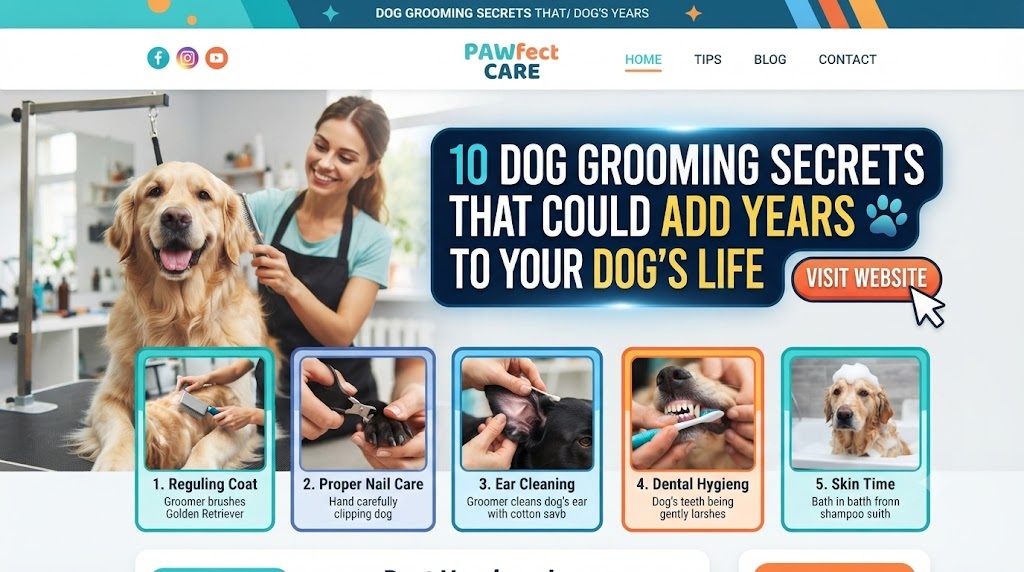
Beyond the Bow: Why Regular Grooming is the Ultimate Secret to a Longer, Healthier Life for Your Dog
For many pet owners, the word “grooming” conjures up images of fancy poodles with pom-pom tails, scented spritzes, and decorative bows. It feels like a luxury—an optional spa day for a pampered pup. However, if you view grooming solely as a cosmetic endeavor, you are missing one of the most critical components of canine preventative healthcare.
Grooming is not just about making your dog look good for the “Gram.” It is a vital health ritual that impacts everything from their skeletal alignment to their internal organ health. A clean dog is a healthy dog, and a well-groomed dog is a dog that is being screened for illness every single week. In this comprehensive guide, we will dive deep into why grooming is the “silent doctor” in your dog’s life and how you can master this art to extend your furry friend’s lifespan.
The Invisible Link: How Grooming Impacts Internal Health
It sounds like a stretch to say that brushing your dog’s fur can help their kidneys or heart, but the physiological connection is real. The skin is the largest organ in a dog’s body. When the skin is healthy, it acts as a robust barrier against pathogens. When it is neglected, it becomes a gateway for systemic issues.
1. Promoting Blood Circulation and Lymphatic Drainage
Every time you run a brush through your dog’s coat, you aren’t just removing dead hair. You are performing a form of massage. The mechanical action of the bristles against the skin stimulates the capillaries, increasing blood flow to the surface. Improved circulation means more oxygen and nutrients reach the skin cells and hair follicles.
Furthermore, rhythmic brushing aids in lymphatic drainage. The lymphatic system is responsible for clearing toxins from the body. By stimulating the skin, you are helping the body process waste more efficiently, bolstering your dog’s immune system from the outside in.
2. The Stress Reduction Factor
A dog that is comfortable in its own skin is a dog with lower cortisol levels. Imagine wearing a wool sweater that is three sizes too small and filled with burrs and tangles—all day, every day. That is what a matted dog feels like. This constant physical discomfort leads to chronic stress, which suppresses the immune system and makes the dog more susceptible to illness. Regular grooming eliminates this source of chronic stress.
The Skin and Coat: Your Dog’s First Line of Defense
The coat is more than just fur; it is a complex thermoregulation system and a protective shield.
Understanding the “Matting” Menace
Matting is the number one enemy of canine health. When loose hair gets trapped in the coat, it twists around live hairs, creating tight knots. If left untreated, these mats eventually “pelt” against the skin.
- Skin Strangulation: Mats can become so tight that they actually cut off blood flow to areas of the skin, leading to “hematomas” or skin death.
- Moisture Traps: Mats trap moisture from rain or humidity against the skin. This creates a warm, dark environment—the perfect breeding ground for bacteria, yeast, and fungal infections (hot spots).
- Restricted Movement: In severe cases, mats around the legs and armpits can actually restrict a dog’s range of motion, leading to joint stiffness and altered gait.
Natural Oil Distribution
Dogs produce natural oils (sebum) that protect the skin and give the coat its shine. Without regular brushing, these oils accumulate at the base of the hair follicle, potentially clogging pores and causing sebaceous cysts, while the ends of the hair become brittle and break. Brushing distributes these oils evenly, providing a natural waterproof coating and keeping the skin hydrated.
Paw Health: The Foundation of Mobility
If you’ve ever walked with a pebble in your shoe, you know how a tiny discomfort can ruin your posture and cause back pain. For a dog, overgrown nails and neglected paws are that “pebble,” but they can’t take their shoes off.
The Danger of Overgrown Nails
When a dog’s nails are too long, they hit the ground with every step. This pushes the nail back into the nail bed, which is incredibly painful. To compensate, the dog shifts its weight, changing the way its paws hit the ground.
- Skeletal Misalignment: Over time, this compensation leads to flattened feet, strained tendons, and eventually, premature arthritis in the hips and spine.
- Curled Nails: In extreme cases, nails can curl around and grow directly into the paw pads, causing excruciating infections.
The “Interdigital” Danger Zone
The space between a dog’s toes is a magnet for trouble. Long hair between the pads can trap “foxtails” (dangerous grass seeds that burrow into the skin), mud, ice melts (salt), and allergens. Regular trimming of the “paw-fuzz” prevents these irritants from causing interdigital cysts and prevents the dog from slipping on hardwood floors—a major cause of ACL tears in senior dogs.
Ear Care: Preventing the Silent Itch
For breeds with floppy ears (like Labradors, Spaniels, and Poodles), the ear canal is a dark, moist cavern where bacteria thrive.
The Yeast Beast
Without regular cleaning, wax buildup becomes a feast for yeast. You might notice your dog shaking their head or scratching their ears. If left unchecked, a simple ear infection can rupture the eardrum or lead to a “aural hematoma”—a painful swelling of the ear flap caused by violent head shaking that requires surgery.
The “Smell Test”
A healthy ear should have no odor. During your grooming routine, a quick sniff can save you hundreds in vet bills. A yeasty, “corn chip” smell or a foul, pungent odor indicates an infection long before the dog shows visible signs of pain.
Dental Hygiene: The Heart-Health Connection
It may seem odd to include teeth in a grooming guide, but “full-service” grooming always includes oral care.
From Plaque to Organ Failure
Periodontal disease is the most common clinical condition in adult dogs. It starts as plaque, hardens into tartar, and then infects the gums (gingivitis). The real danger, however, is what happens next. The gums are highly vascular. Bacteria from the mouth can enter the bloodstream and travel directly to the heart valves, kidneys, and liver, causing systemic organ failure.
Regularly brushing your dog’s teeth and having a groomer or vet check for loose teeth can quite literally add years to your dog’s life by protecting their vital organs.
The “Groomer’s Exam”: Catching Health Red Flags Early
Perhaps the greatest health benefit of grooming is the “hands-on” time. When you or a professional groomer spend 60 to 90 minutes touching every square inch of a dog’s body, you become a detective.
What Grooming Uncovers:
- Lumps and Bumps: Most owners don’t notice a small pea-sized lump under thick fur. A groomer will feel it. Early detection of mast cell tumors or lipomas is the difference between a simple removal and a terminal diagnosis.
- Parasites: Fleas, ticks, and mites are masters of disguise. A thorough bath and blow-dry will reveal these hitchhikers before they can transmit Lyme disease or Tapeworms.
- Hydration Levels: By “tenting” the skin during grooming, you can check for dehydration.
- Changes in Weight: Sometimes a fluffy coat hides significant weight loss or gain. Feeling the ribs during a bath provides an accurate assessment of a dog’s body condition score.
The Psychological Benefits: Bonding and Desensitization
Health isn’t just physical; it’s mental. A dog that is terrified of being touched or handled is a dog that will be difficult to treat in a medical emergency.
Building Trust
Grooming is a form of communication. When done with patience and positive reinforcement, it builds a profound bond of trust between the dog and the handler. It teaches the dog that even when things are slightly uncomfortable (like a nail trim), they are safe.
Desensitization for Vet Visits
A dog that is used to having its paws handled, ears touched, and mouth opened for grooming will be a star patient at the vet. This reduces the need for sedation during exams, which is always safer for the dog—especially as they age.
Breed-Specific Grooming: Not All Dogs Are Created Equal
Understanding your dog’s specific coat type is essential for their health. Using the wrong technique can actually damage their ability to regulate temperature.
Double-Coated Breeds (Huskies, Goldens, Shepherds)
The Golden Rule: NEVER SHAVE A DOUBLE COAT. The undercoat acts as insulation against both cold and heat. Shaving these dogs destroys their natural cooling system and leaves their skin vulnerable to sun damage and skin cancer. Proper grooming for these breeds involves “de-shedding”—removing the dead undercoat so air can circulate to the skin.
Continuous Growth Breeds (Poodles, Doodles, Schnauzers)
These dogs have hair, not fur. It doesn’t stop growing and it doesn’t fall out on its own. They require professional haircuts every 4-8 weeks. For these breeds, grooming is not a choice; it is a biological necessity. Without it, they will become completely encased in a “pelt” of matted hair.
Wire-Haired Breeds (Terriers)
These breeds often require “hand-stripping,” a process of pulling out dead hair by the root. This allows a new, healthy, weather-resistant coat to grow in. If you simply clip a wire-haired dog, the coat often becomes soft, dull, and loses its protective oils.
The Ultimate DIY Home Grooming Toolkit
To maintain your dog’s health between professional visits, you need the right tools. Investing in quality equipment will make the process easier for you and more comfortable for your dog.
1. The Slicker Brush
The holy grail of grooming. It features fine, short wires close together. It is perfect for removing mats and loose hair from the undercoat.
2. The Metal Greyhoud Comb
The “Truth Teller.” After brushing, run a metal comb through the coat. If it catches, you still have a tangle. This is the only way to ensure your dog is truly tangle-free down to the skin.
3. De-Shedding Tool (Undercoat Rake)
Essential for double-coated breeds to pull out the “dead” fluff that causes overheating.
4. High-Quality Dog Shampoo
Never use human shampoo! Dogs have a different skin pH (around 7.0 to 7.5, whereas humans are around 5.5). Human shampoo is too acidic and will strip their natural barriers, leading to dermatitis.
5. Styptic Powder
Accidents happen. If you cut a nail too short (the “quick”), styptic powder stops the bleeding instantly. Never trim nails without it nearby.
Seasonal Grooming: Adapting to the Environment
Your grooming routine should change with the leaves. Each season brings unique challenges to your dog’s health.
Winter: The Salt and Ice Battle
Winter is harsh on paws. Road salt and ice-melt chemicals are toxic and corrosive. They can cause chemical burns on paw pads. Furthermore, snow can “ball up” in the hair between toes, causing painful ice clumps that stretch the skin.
- Health Tip: Apply a paw balm (wax-based) before walks and wash paws in lukewarm water immediately after returning inside.
Spring: The Great Shed and Allergy Bloom
As the weather warms, dogs “blow” their winter coats. If this hair isn’t brushed out, it creates a thick carpet of dead fur that traps allergens like pollen and mold against the skin, leading to “itchy dog syndrome.”
Summer: Hydration and Sun Protection
Short-haired or white-coated dogs can get sunburned. Grooming in the summer should focus on keeping the belly hair short (to help them cool off on cold floors) while keeping the top coat long enough to block UV rays.
Professional vs. DIY: When to Call the Pros
While home maintenance is vital, there are times when a professional groomer is necessary for the dog’s safety.
The “Danger Zones”
Trimming hair around the eyes and the “sanitary” areas (the private parts) requires a steady hand and professional-grade, sharp equipment. A moving dog and a pair of kitchen scissors is a recipe for a trip to the emergency vet.
Expressing Anal Glands
If you see your dog “scooting” their butt across the carpet, their anal glands may be full. Professional groomers are trained to check and, if necessary, manually express these glands (though some prefer to leave this to a vet). If left full, these glands can abscess and rupture.
Behavior Issues
If your dog is aggressive or extremely fearful during grooming, a professional has the tables, restraints, and experience to keep the dog safe from hurting itself.
Common Grooming Myths Debunked
To truly care for your dog’s health, you must separate fact from fiction.
- Myth: Shaving a dog keeps them cool.
- Fact: Shaving a double-coated dog removes their insulation, making them more likely to overheat and get heatstroke.
- Myth: Dogs don’t need their teeth brushed if they eat dry kibble.
- Fact: Kibble does very little for dental health. It’s like a human eating crackers to clean their teeth. Brushing is the only effective way to remove plaque.
- Myth: You shouldn’t bathe a dog more than once a month.
- Fact: With modern, pH-balanced shampoos, you can bathe a dog weekly if needed (especially if they have skin allergies). The “don’t bathe” rule is a relic from when shampoos were made with harsh lye.
A Step-by-Step Weekly Health-Grooming Routine
If you want to maximize your dog’s longevity, follow this 15-minute weekly checklist:
- The Full-Body Scan: Run your hands over their entire body. Look for new bumps, scabs, or sensitive spots.
- The Ear Sniff: Check for redness or a “yeasty” smell.
- The Paw Check: Inspect the pads for cracks and the nails for length. Trim if they click on the floor.
- The Dental Peek: Lift the lips. Look for red gums or brown tartar on the back molars.
- The “Comb Out”: Brush thoroughly and verify with a metal comb.
- The Rear Inspection: Ensure the “sanitary” area is clean to prevent urine scald or fecal matting.
Conclusion: A Labor of Love and Longevity
Grooming is the ultimate act of preventative medicine. It is a commitment to your dog’s comfort, mobility, and internal health. When we choose to groom our dogs regularly, we aren’t just maintaining their beauty; we are acting as their healthcare advocates.
Every brush stroke is a message to your dog that they are cared for. Every nail trim is a step toward a more mobile senior year. Every bath is a shield against infection.
Don’t wait until your dog is matted, limping from long nails, or suffering from a hidden lump. Start your health-focused grooming routine today. Your dog cannot tell you when something is wrong, but through the ritual of grooming, they don’t have to—you’ll already know.
Invest the time now, and you will be rewarded with a happier, healthier, and more vibrant companion for years to come. After all, a healthy dog is a beautiful dog, but a beautiful dog isn’t always healthy unless you’re looking beneath the surface.